


.jpeg)
.jpeg)
.jpeg)
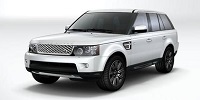
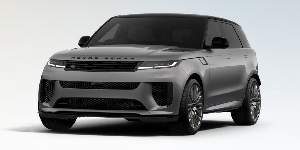
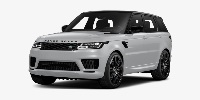
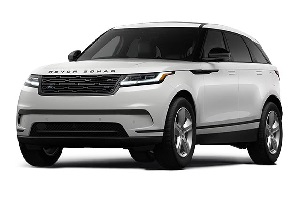
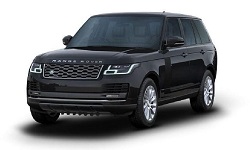
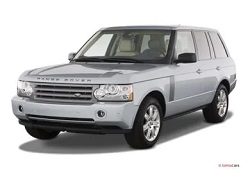
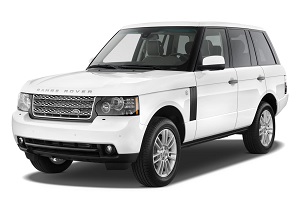
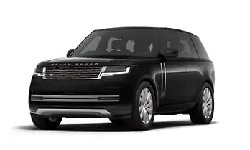
.jpeg)
.jpeg)
.jpeg)
.jpeg)
.jpeg)
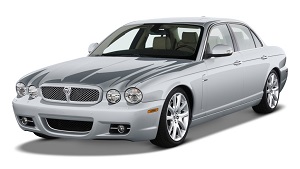
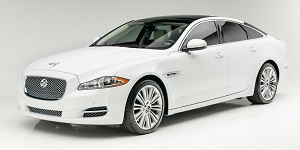
Land Rover has existed as a company since 1978. Before that, it was a product line of the Rover Company, which was incorporated into the Rover-Triumph division of British Leyland Motor Corporation (BL) after Rover was taken over by Leyland Motor Corporation in 1967. BL's well-documented business problems led to the creation of a separate Land Rover company under the BL umbrella, which remained part of the later Rover Group under the ownership of British Aerospace in 1988 after British Leyland was dissolved and privatised. On 31 January 1994, Rover Group plc, including Land Rover, was acquired by BMW. In 2000, Rover Group was broken up by BMW and Land Rover was sold to Ford Motor Company, becoming part of its Premier Vehicle Group. The transfer to BMW ownership did not take place until the introduction of the second-generation Range Rover, and Land Rover's first single model, the Freelander, was launched in 1997. BMW was responsible for much of the development of the Range Rover III at the time – the first off-roader to feature a monocoque structure and independent suspension, introduced by Ford in late 2001.
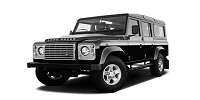
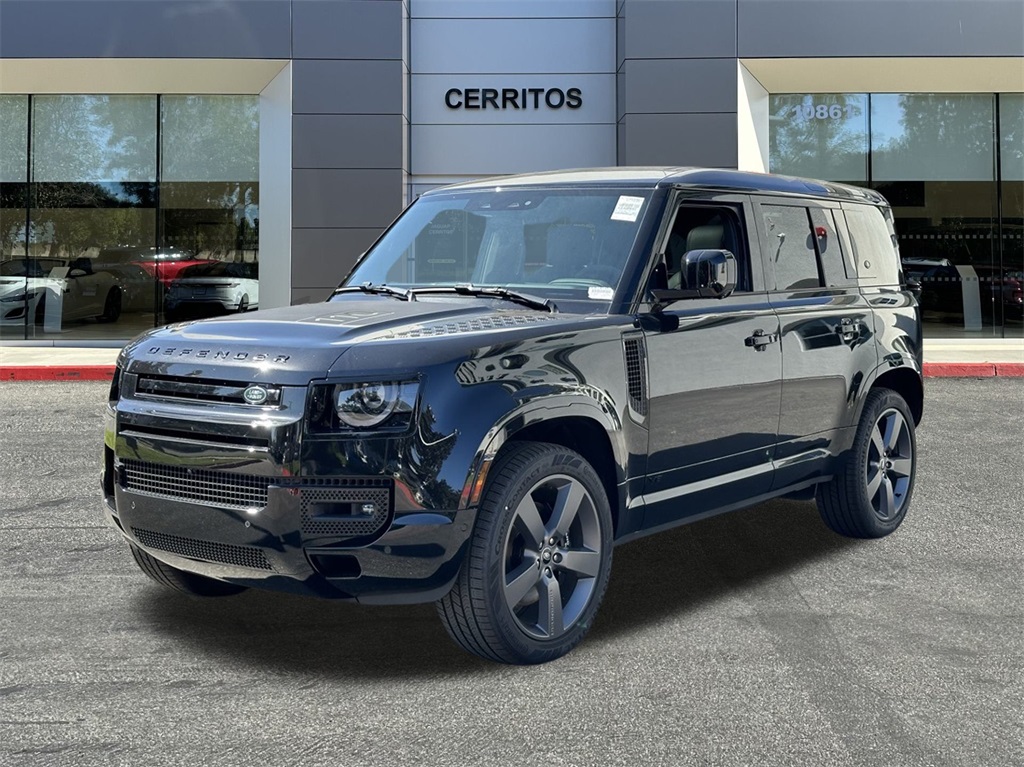
Following the introduction of the all-new Range Rover in 2001, Ford moved Land Rover away from the traditional boxy ladder frame by introducing the new-generation Discovery in 2004, featuring an "Integrated Body Frame". Since then, only the Defender has continued Land Rover's traditional underpinnings since 1948. The use of the Rover V8 engine in Land Rovers also ended with the replacement of the mk. Discovery II.
In 2006, Ford also acquired the Rover brand from BMW for around £6 million. BMW retained ownership of the brand to protect the integrity of the Land Rover brand, which could be confused with "Rover" in the US market, and allowed it to be used under license by MG Rover until it was dissolved in 2005, at which time it was offered to Ford Motor Company, then owner of Land Rover. On 11 June 2007, Ford announced plans to sell Land Rover, along with Jaguar Cars. Private equity firms Alchemy Partners of the UK, TPG Capital, Ripplewood Holdings, Cerberus Capital Management and One Equity Partners of the US, Tata Motors of India and a consortium of Indian companies Mahindra & Mahindra and Apollo Management all initially expressed interest in buying the brands from the Motor Company. On 1 January 2008, Ford officially announced that Tata was the preferred bidder. On 26 March 2008, Ford announced that it had agreed to sell its Jaguar and Land Rover operations to Tata Motors, and that it expected the sale to be completed by the end of the second quarter of 2008.
Tata Motors era
On 18 January 2008, Tata Motors, part of the Tata Group, established Jaguar Land Rover Limited as a wholly owned subsidiary incorporated in the UK. The new company was to be used as a holding company for the acquisition of two businesses from Ford - Jaguar Cars Limited and Land Rover. This acquisition was completed on 2 June 2008 for a total consideration of £1.7 billion. The agreement to acquire Land Rover and Jaguar Cars also included the rights to three other British brands: the Daimler brand, as well as the two dormant Lanchester and Rover brands.
On 1 January 2013, the group, which had been operating as two separate companies (Jaguar Cars Limited and Land Rover), underwent a major restructuring, albeit on an integrated basis. The parent company was renamed Jaguar Land Rover Automotive PLC, Jaguar Cars Limited was renamed Jaguar Land Rover Limited, and Land Rover's assets (excluding certain Chinese interests) were transferred to it. The result was that Jaguar Land Rover Limited became responsible for the design, manufacture and marketing of both Jaguar and Land Rover branded products in the UK, and Land Rover and Jaguar Cars ceased to be separate vehicle manufacturing businesses.


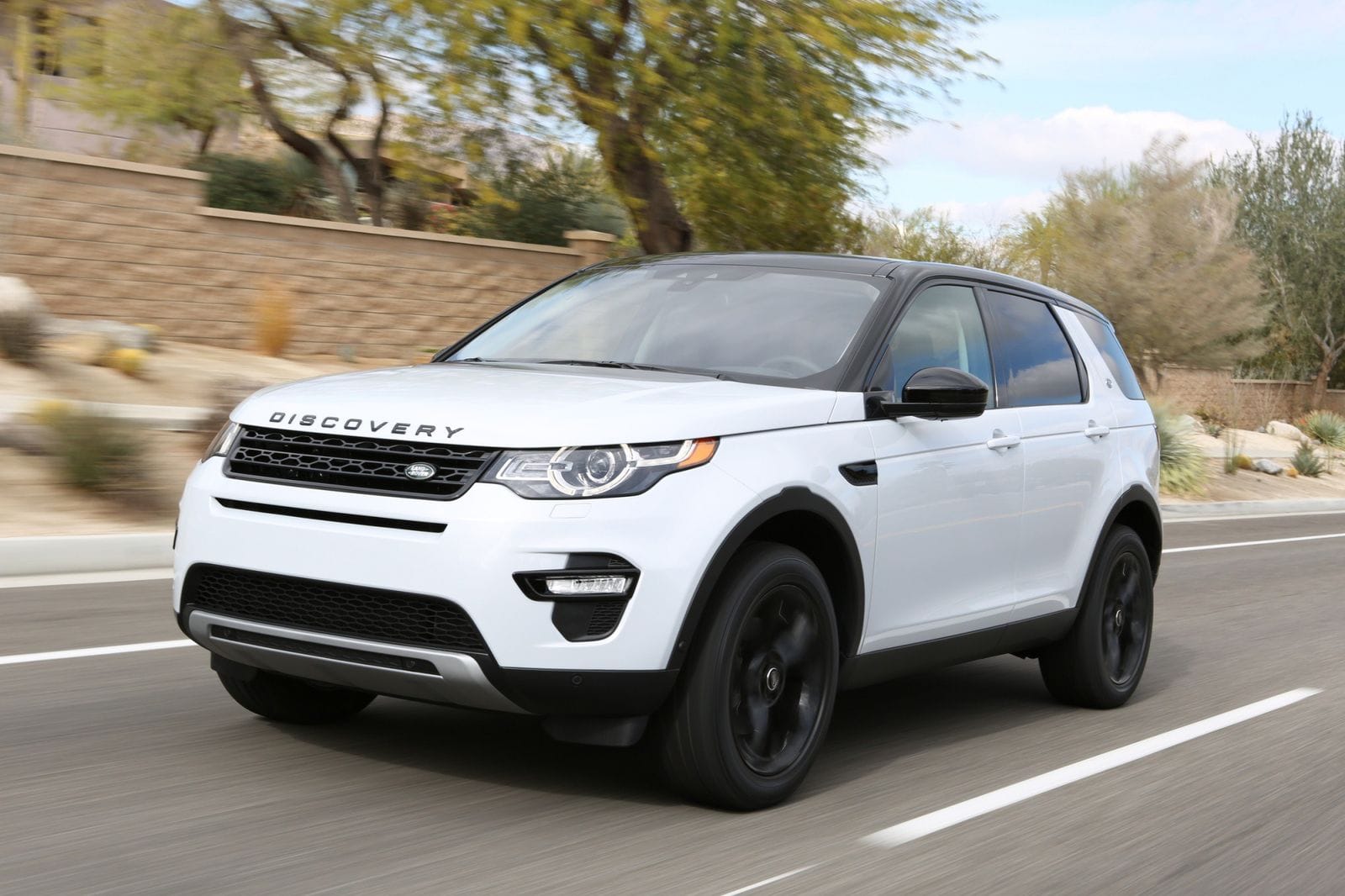

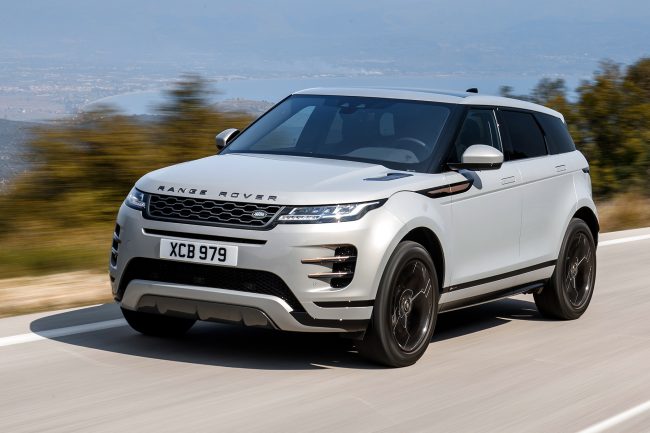
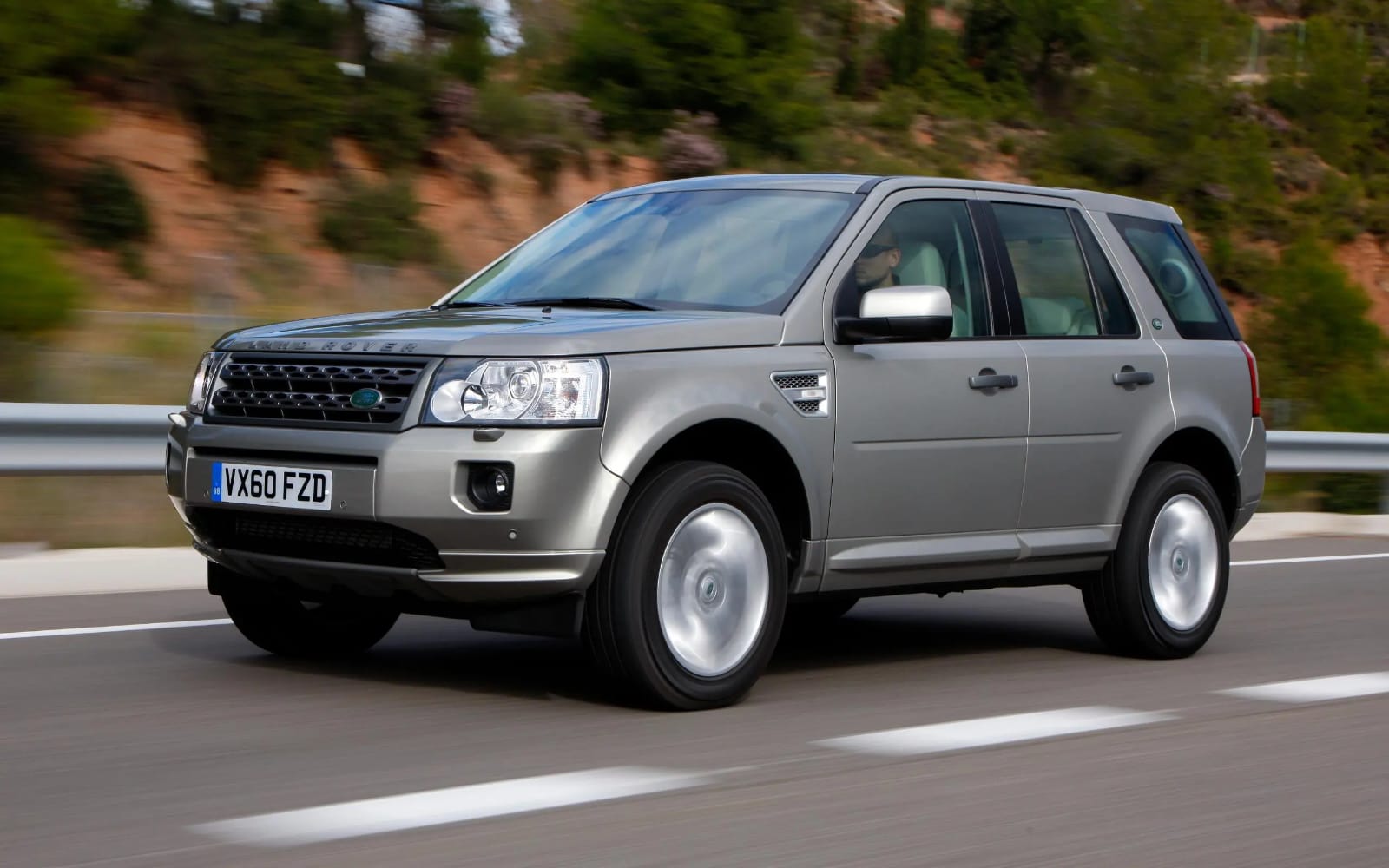
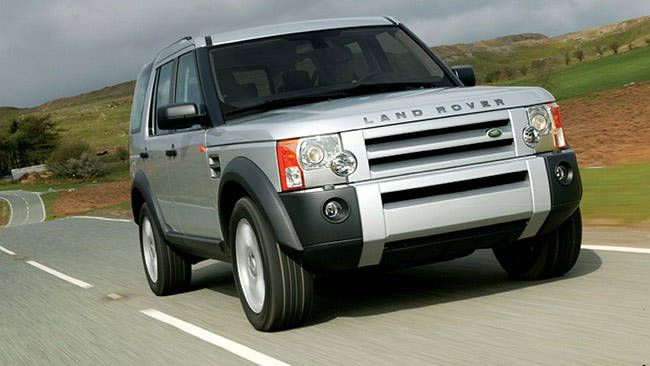



.jpeg "ABOUT JAGUAR AND LAND ROVER")


